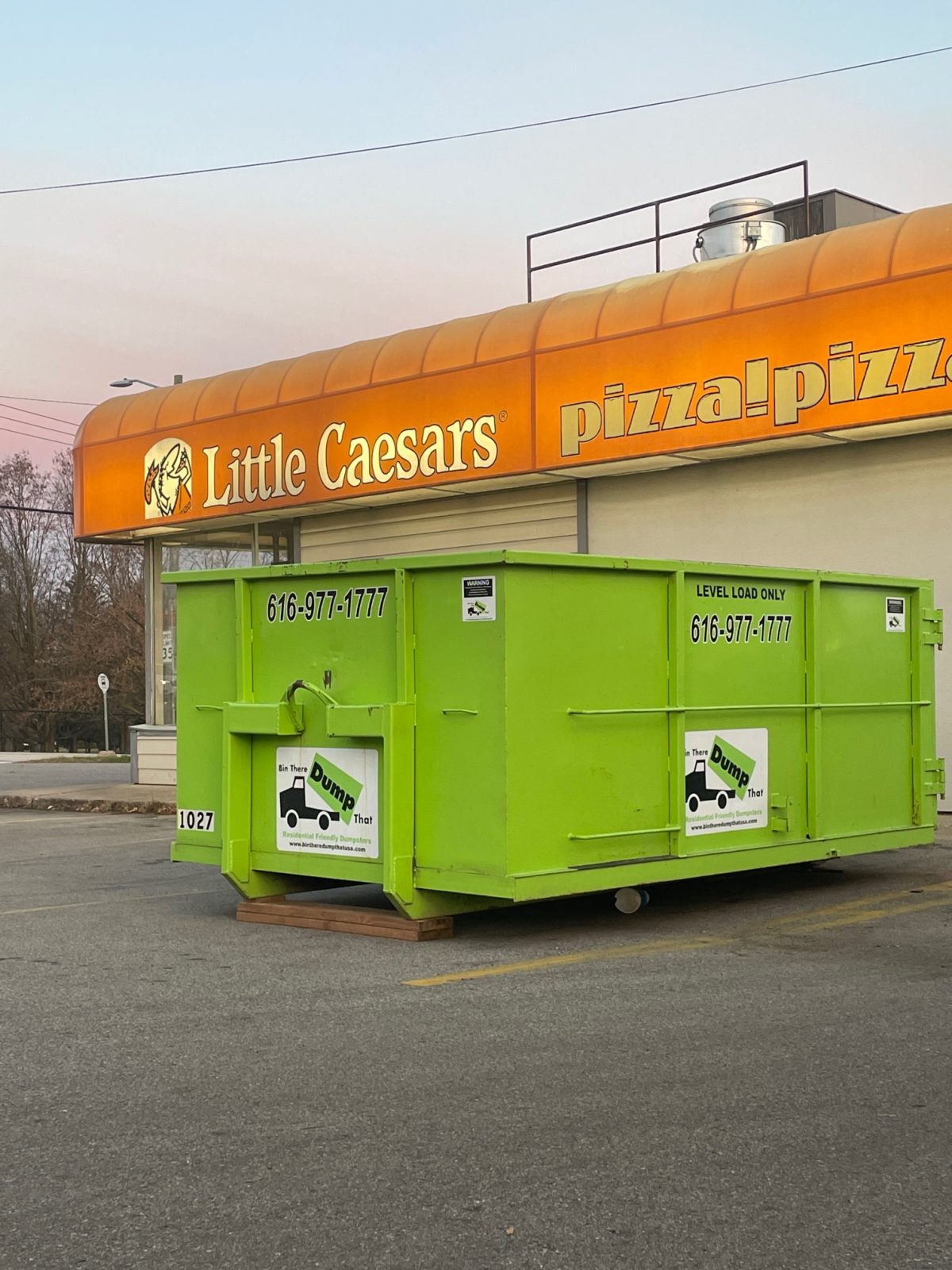
Maximizing Waste Management: Dumpster Rental Tips in Grand Rapids
If you’re planning a big project in Grand Rapids that will produce a lot of debris, you’re probably wondering how to get rid of it all effectively. Renting a dumpster is frequently the easiest solution. It keeps your site neat, reduces the amount of stress associated with cleanup, & saves you trips to the dump.
However, there are a few things you should know in advance to make the most of your rental. This is likely the most important choice you will ever make. If you choose too little, you’ll need a second dumpster or make several trips to the landfill, which will ultimately cost you more. If you choose too large, you will be paying for capacity that is not utilized.
Discovering that sweet spot is the key. Knowing Typical Sizes. The standard measurement for dumpsters is cubic yards. Here is a brief summary of the typical practical implications of those numbers.
10-Yard Dumpster: These are excellent for smaller cleanouts, such as clearing out a garage, remodeling a single room, or disposing of yard waste from a minor landscaping project.
Consider it about three loads of pickup trucks. A popular option for medium-sized projects is the 20-yard dumpster. This could include roofing tear-offs for a small home, a kitchen or bathroom makeover, or a multi-room declutter. About six pickup truck loads can fit in this.
30-Yard Dumpster: This is frequently the preferred option when performing major home renovations, a sizable construction cleanup, or clearing out an entire house prior to a move or sale. That works out to roughly nine pickup truck loads.
40-Yard Dumpster: For large-scale construction, commercial cleanouts, or demolition projects.
This is probably what you’ll need if you’re constructing an addition or demolishing a big building. Twelve pickup truck loads is an incredible amount. Calculating Your Waste Volume. You can come fairly close, but this is more art than science. Take a walk around your project and estimate how much debris you have.
Imagine the old cabinets, countertops, and flooring piled up if you are demolishing, say, a kitchen. If it’s a complete kitchen, it probably won’t fit in a ten-yard space. Take Material Density into Account: Although they take up less space, heavy materials like concrete, brick, dirt, and shingles can easily reach weight limits. Lighter materials weigh less but fill up more quickly, such as wood, drywall, and household trash. Speak with Your Contractor: If you have a contractor, they have experience with this.
Based on their experience with related projects, they can typically provide you with an accurate estimate.
“When in Doubt, Go One Size Up”: Although it may seem counterintuitive, a slightly larger dumpster is nearly always less expensive than requiring a second, smaller one. Also, it spares you the trouble of organizing a second drop-off and pickup. You cannot simply place a dumpster anywhere. Like most cities, Grand Rapids has laws that you should be aware of.
Ignoring these can result in penalties or delays. Public Assets vs. private assets. This is the main difference.
Private Property: You usually don’t need a city permit if the dumpster will be completely on your own property, such as your driveway, yard, or building site. But make sure it’s not obstructing any access points or posing a risk to public safety. Permits are necessary for public property. You will require a Right-of-Way Permit from the City of Grand Rapids if any portion of the dumpster must be located on a city street, sidewalk, or alley. Managing Grand Rapids Permit Requirements.
Visit the City Website: The best place to start is the website of the City of Grand Rapids Development Center. Find out about “Obstruction Permits” or “Right-of-Way Permits.”. The “. Application Procedure: Generally, you must complete an application form that includes information about your project, the size of the dumpster, and the dates it will be on public property.
Fees: These permits typically come with a fee. Lead Time: Avoid holding off until the very last minute. To prevent project delays, allow enough time for the city to process your application, usually a week or two. Placement Guidelines: Even with a permit, there may be restrictions on the dumpster’s proximity to pedestrian crossings, fire hydrants, and intersections.
They will be outlined by the city. Selecting the Ideal Location on Your Property. Smart placement matters even in the absence of a permit. Level & Stable Surface: The best surface is a firm, level patch of ground or a paved driveway. Steer clear of sloping or soft ground, as these could cause the dumpster to move and harm your property.
Accessibility for Delivery/Pickup: Enough room is required for the delivery truck to maneuver and deliver the dumpster. This includes clearing the area above (no tree branches or low-lying wires). Proximity to Your Project: You’ll need less effort to move debris if the dumpster is close to your workspace. Protection for Your Driveway: Before the dumpster is delivered, lay down plywood sheets if you are worried about possible marks or damage. It can weigh a lot, especially when it’s full. Unexpected bills are disliked by all.
Even though renting a dumpster is usually affordable, knowing the components of the cost will help you plan your budget. Standard Rental Charges. This is the base price you’ll be quoted & generally includes:. Dumpster Delivery & Pickup: The price of bringing the empty dumpster to your location & removing the full one.
Rental Time: The majority of businesses provide a typical rental time, which is typically seven to ten days. You will have to pay extra every day if you require it for longer. Initial Weight Allowance: The base price of each dumpster size includes a certain amount of weight. It is important to comprehend this. typical extra costs.
If you are careless, these factors may affect your final bill. Overage fees are the most prevalent additional expense. You will be charged a per-ton (or per-pound) fee if the total weight of your debris surpasses the included weight allowance.
This is where it becomes crucial to estimate your waste material and density accurately. Extended Rental Fees: You will be charged a daily rate if you keep the dumpster longer than the typical rental period, even by one day. Let your rental company know if you expect to require additional time. Prohibited Items Fees: Attempting to get rid of hazardous materials (see the following section) can lead to hefty fines & disposal costs. Tell your rental company exactly what you’re putting in.
Trip Charges: You may be charged for the unnecessary trip if the truck is unable to reach your dumpster for pickup because of obstructions, an overloaded dumpster, or a blocked path.
“Heavily Contaminated” Loads: Poorly sorted loads may incur additional fees from certain waste facilities. “g.”. It was described as “light construction waste” but was actually a mixture of heavy concrete & construction debris. obtaining precise quotes. Be Specific: When requesting a quote, be sure to include a detailed description of your project & the materials you plan to dispose of. “Just household junk” differs from “asphalt and concrete.”. The “.
Ask About Weight Limits: Make sure the dumpster size you’re thinking about includes a weight allowance. Find Out About Overage Fees: Find out the overage fee per ton. Make the rental period clear by being aware of the precise number of days that are included as well as the daily extension fee. Look for Hidden Fees: Find out if you should be aware of any additional possible costs.
Transparency is a sign of a respectable business. Because inappropriate disposal can result in fines and trouble, this is a very important section. Trash is not all made equal. Materials that are widely accepted.
The majority of rental companies permit a wide variety of standard waste items that are categorized. General household junk includes toys, clothing, carpets, boxes, furniture (such as couches, tables, & chairs), and small non-refrigerant appliances. Wood (decking, lumber), plaster, drywall, insulation, wiring, non-hazardous plumbing fixtures, cabinet scraps, & roofing materials (shingles, felt) are examples of construction and demolition debris. Yard waste includes branches, leaves, small logs, shrubs, and grass clippings. (Note: Many businesses provide “yard waste only” dumpsters, which can occasionally be less expensive. etc. Heavy Materials: Concrete, asphalt, brick, dirt, rocks (often with restrictions or separate dumpsters).
These are typically acceptable, but because of their substantial weight, they might need a special dumpster or a smaller general dumpster to prevent going over weight restrictions. Items prohibited (No-Go’s). It’s an essential list.
Additional costs, fines, or even the denial of service may follow the submission of these items. The main one is hazardous waste. Anything toxic, flammable, corrosive, or reactive should be avoided. Here are some examples. Solvents, paints, and stains: even cans of dried paint.
Motor oil and other automotive fluids, such as transmission fluid and antifreeze. All kinds of batteries, but particularly automobile batteries. Asbestos is a highly regulated substance that needs to be disposed of properly. Chemicals include pesticides, herbicides, pool chemicals, and potent cleaning solutions.
Propane tanks, even those that are empty. Medical waste includes biohazards, medications, & sharp objects. Tires: Tires are nearly always forbidden or require a special fee per tire due to their disposal difficulties & environmental impact. Freezers, air conditioners, & refrigerators are examples of appliances that use refrigerants. Before being disposed of, the refrigerants (CFCs and HCFCs) must be eliminated by a qualified technician.
TVs, computers, monitors, and printers are examples of electronics (E-Waste). Certain e-waste recycling options are available in Grand Rapids. Sealed Containers: Any sealed container that might hold dangerous residues, such as empty drums or barrels. Ammunition, explosives, and aerosol cans are all flammable. Resources for Prohibited Item Disposal in Grand Rapids. Don’t throw it away.
Grand Rapids provides resources for the appropriate disposal of numerous forbidden items. The Kent County Department of Public Works offers facilities & events for getting rid of tires, electronics, and hazardous household waste. For precise dates and locations for residents of Kent County, visit their website. Retail Drop-offs: For a small fee, a number of electronics retailers, such as Best Buy, offer e-waste recycling programs.
Used car batteries & motor oil are frequently accepted in auto parts stores. Specialized Haulers: You should get in touch with a contractor who has a license to remove & dispose of materials like asbestos. You know what to throw, you have the permit, and you are the correct size. Now, how can you make the most of the space you pay for?
It all comes down to clever packing. Make the most of the space. Break Down Big Items: If something can be cut into smaller pieces (like drywall or lumber) or disassembled (like furniture), do it. This lessens pockets of empty air.
Load Flat Items First: Long planks, drywall, doors, and plywood sheets should be loaded flat on the bottom. By doing this, surface area is increased and a solid base is created. Distribute Weight Equitably: Don’t put all of your heavy items in one area.
This may cause the dumpster to become unsteady and challenging to lift, and in severe situations, it may harm the container or the surface beneath it. Fill from the Back: Walk materials into your dumpster and stack them from the back to the front if it has a swinging door, which is a feature of most roll-off dumpsters. Compared to throwing everything over the side, this is far simpler. Layering can be compared to a puzzle.
Layer heavier, lighter items on top of your flat items, and then finish with smaller, gap-filling odds & ends. First, safety. If dumpster loading is not done carefully, it can be dangerous and physically taxing. Put on Safety Gear: Gloves are essential for avoiding cuts and splinters. Your feet are protected by sturdy closed-toe shoes, preferably with steel toes. It is prudent to wear eye protection, particularly when disassembling materials.
Avoid straining your back by lifting with your legs. Seek assistance or further disassemble an object if it is too heavy. Prevent Overfilling: This is likely the most crucial safety precaution. Don’t Go Over the Fill Line: A “fill line” is painted inside dumpsters, usually at the top edge. Debris cannot be loaded above this line. The explanation is straightforward: objects may fall out when the truck lifts it, creating a significant risk to traffic.
The rental company won’t pick up overfilled dumpsters, so you’ll have to pay a trip fee and get rid of the extra. Keep Top Level: To prevent the debris from forming a peak above the fill line, try to keep the top of the debris as level and flat as you can. Keep an eye out for protrusions: Nothing should be protruding from the dumpster’s top or sides. This presents an additional risk to safety and transportation.
Clear the Area: Keep children and pets out of the loading area. Keep others around you in mind when you work. By using these pointers, you can make sure you’re getting the most out of your Grand Rapids dumpster rental while also having a safer and more efficient cleanup procedure. Have fun tidying up!
.
FAQs
What are the benefits of using dumpster rental for waste management in Grand Rapids?
Dumpster rental provides a convenient and efficient way to manage waste, allowing for easy disposal of large volumes of debris and trash. It also helps to maintain a clean and organized work or living space.
What are the different sizes of dumpsters available for rental in Grand Rapids?
Dumpsters are available in various sizes, including 10-yard, 20-yard, 30-yard, and 40-yard options. The size needed will depend on the amount and type of waste being disposed of.
What types of waste can be disposed of using a dumpster rental in Grand Rapids?
Most types of non-hazardous waste, including construction debris, household junk, yard waste, and furniture, can be disposed of using a dumpster rental. However, certain items such as hazardous materials, chemicals, and electronics may have restrictions.
How long can a dumpster rental be used for waste management in Grand Rapids?
The rental period for a dumpster can vary depending on the rental company and the specific needs of the customer. Typically, rental periods range from 7 to 14 days, with the option to extend the rental period if needed.
What should I consider when choosing a dumpster rental for waste management in Grand Rapids?
When choosing a dumpster rental, it’s important to consider the size of the dumpster needed, the rental period, any restrictions on the types of waste that can be disposed of, and the location for placement of the dumpster. Additionally, it’s important to compare prices and services offered by different rental companies.
For all your Grand Rapids dumpster rental needs, contact Bin There Dump That Grand Rapids.